

TL;DR - Summary
Are seed oils really bad for you? Learn what seed oils are, how they are made, which countries produce and consume them most, and explore the latest science on health risks including heart disease, cancer, inflammation, and more.
On this page
Are Seed Oils Really Bad for You?
Seed oils have become one of the most debated topics in modern nutrition. Some call them harmful industrial products while others promote them as healthy alternatives to saturated fats. This article explores what seed oils are, how they’re produced, global consumption, potential health risks, and what the science really says.

1. What Are Seed Oils?
Seed oils are vegetable oils derived specifically from the seeds of plants. They include oils such as sunflower oil, soybean oil, corn oil, cottonseed oil, safflower oil, grapeseed oil, rice bran oil, sesame oil, flaxseed oil, and more. Unlike olive oil or coconut oil, which come from fruits, seed oils are obtained from crushed or processed seeds.
They are widely used in cooking, baking, salad dressings, processed foods, and industrial food production because they are cheap, versatile, and have a long shelf life.
2. How Are Seed Oils Produced?
The production of seed oils can be divided into two major methods:
- Cold-Pressed / Expeller-Pressed: Seeds are mechanically crushed at low temperatures to extract oil without chemical solvents. This retains more nutrients and antioxidants but yields smaller amounts, making the oil more expensive.
- Refined Industrial Method: Seeds are heated, crushed, and treated with chemical solvents like hexane to maximize oil extraction. The oil is then refined, bleached, and deodorized to improve stability and remove odors, but this process often destroys beneficial compounds.
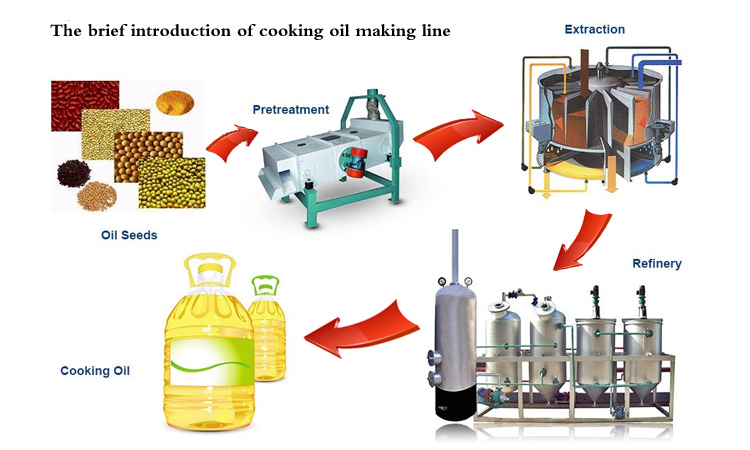
3. Global Production and Consumption of Seed Oils
Seed oils are produced all over the world, but some countries dominate global production:
- Soybean Oil: Major producers include the United States, Brazil, Argentina, China, and India.
- Canola Oil: Canada is the world’s largest producer, followed by the EU, China, and Australia.
- Sunflower Oil: Largely produced in Ukraine, Russia, Argentina, and Eastern Europe.
- Corn Oil: The United States is the largest producer.
Consumption is especially high in the U.S., Canada, China, India, and Europe, where seed oils are used daily for frying, packaged foods, and restaurant cooking.
4. Nutritional Profile of Seed Oils
Seed oils are primarily made up of unsaturated fatty acids:
- Omega-6 fatty acids (linoleic acid) – abundant in most seed oils.
- Omega-3 fatty acids – present in smaller amounts (except flaxseed oil which is rich in omega-3).
- Vitamin E and other antioxidants (especially in minimally processed oils).
Compared to butter or lard, seed oils contain less saturated fat and more polyunsaturated fat.
5. Are Seed Oils Bad for Heart Health?
Most health authorities, including the Harvard School of Public Health, note that replacing saturated fats with polyunsaturated fats can reduce LDL (“bad”) cholesterol and lower the risk of heart disease.
However, critics argue that many seed oils are unstable at high heat, prone to oxidation, and contribute to an imbalanced omega-6 to omega-3 ratio, which may promote inflammation. Still, large-scale studies generally support their benefit when replacing saturated fats.
6. Do Seed Oils Increase Cancer Risk?
This is one of the most controversial debates. Some laboratory studies show that linoleic acid (a major component of seed oils) may promote tumor growth under certain conditions. For example, research from Weill Cornell Medicine found that omega-6 fatty acids may accelerate aggressive forms of breast cancer.
Other studies suggest a potential link between ultra-processed foods high in seed oils and colon cancer risk. However, global cancer research organizations, such as the World Cancer Research Fund, conclude that moderate seed oil consumption does not significantly increase cancer risk. The overall diet quality matters more.
7. Seed Oils and Inflammation
Some nutrition influencers claim seed oils are inherently “toxic” because of their omega-6 content. They argue that a high omega-6 to omega-3 ratio leads to chronic inflammation, which is linked to heart disease, diabetes, and obesity.
But scientific studies, including randomized controlled trials, show that seed oils do not consistently increase inflammation markers in the body. In fact, when used in place of saturated fats, they may reduce inflammation. Context, balance, and total diet are crucial.
8. Pros and Cons of Seed Oils
| Pros | Cons |
|---|---|
| Rich in unsaturated fats (heart-healthy) | High in omega-6, may imbalance fatty acids |
| Affordable and widely available | Often refined, bleached, and deodorized |
| Lower LDL cholesterol compared to butter/lard | Can oxidize at high heat (frying) |
| Source of Vitamin E and antioxidants | Linked to tumor growth in some lab studies |
9. Practical Guidelines for Using Seed Oils
- Choose cold-pressed or expeller-pressed oils when possible.
- Avoid reusing frying oil multiple times as it increases harmful compounds.
- Balance seed oil intake with omega-3-rich foods such as salmon, flaxseeds, chia seeds, and walnuts.
- Use a mix of oils—olive oil for salads, avocado oil for high-heat cooking, and seed oils in moderation for general use.
- Focus on whole-food diets instead of blaming a single ingredient.

10. Final Thoughts
So, are seed oils really bad for you? The evidence suggests they are not inherently harmful and can be part of a healthy diet when consumed in moderation. The problem arises when diets rely heavily on ultra-processed foods and fried items cooked in refined oils. Moderation, variety, and balance are key.
For more science-backed articles, visit our homepage at FactsWings.com.
References and Further Reading
✅ Liked this article? Continue reading here: 👉 What’s Shaping Wellness

MehediHasan3559 - Tech & AI Researcher
Md. Mehedi Hasan is the founder and editor of FactsWings. Passionate about AI, technology, science, cybersecurity, and fact-based journalism. Dedicated to publishing accurate and trustworthy content for a global audience.
View all posts →Frequently Asked Questions
Are these facts verified?
Yes, every fact is fact-checked from primary sources like NASA, BBC, Nature, and peer-reviewed papers.
Do you use AI to write?
No. All articles are human-written and human fact-checked. We disclose affiliate links per FTC guidelines.