

TL;DR - Summary
Who will lead the United States as the 48th President in 2029? Explore the top candidates for the 2028 election, including Kamala Harris, J.D. Vance, Gavin Newsom, Ron DeSantis, and Alexandria Ocasio-Cortez. Dive into their biographies, qualifications, and what makes them frontrunners in this pivotal race. Visit FactsWings for more insights on the future of American leadership.
On this page
Who is The American Next President? Read 2028 U.S. Presidential Candidates
The United States will hold it’s 61’st presidential election on November 7, 2028, with the winner being sworn in as the 48th President on January 20, 2029. Following Donald Trump’s victory in the 2024 presidential election, speculation about the next president has already begun. The 2028 election will be a critical moment in American politics, as Trump will be ineligible to run again due to term limits under the 22nd Amendment. This open’s the field to a diverse range of candidates from both major parties and potential third-party contenders. Below, we explore the qualifications, biographies and frontrunners who are likely to vie for the presidency in 2028, based on current political trends and analyses from sources like FactsWings.
Qualifications for U.S. Presidency
To be eligible to run for president, a candidate must meet the following constitutional requirements, as outlined in Article II, Section 1 of the U.S. Constitution:
- Be a natural-born citizen of the United States.
- Be at least 35 years old.
- Have been a resident of the United States for at least 14 years.
Beyond these legal requirements, successful candidates typically possess strong political experience, public recognition, fundraising capabilities and the ability to appeal to a broad electorate. Leadership skills, policy expertise and a compelling vision for the future are also critical. With these criteria in mind, let’s examine some of the leading candidates for 2028. For more details on U.S. election processes, visit USA.gov.
Leading Candidates for 2028
The following individuals have been identified as potential frontrunners for the 2028 presidential election, based on their political prominence, public statements, and media speculation. Each candidate’s biography highlights their qualifications and potential appeal.
1. Kamala Harris (Democrat)
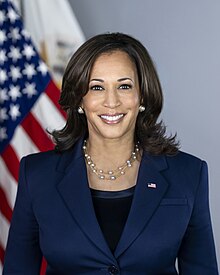
Biography: Kamala Harris, born October 20, 1964, in Oakland, California, made history as the first woman, first Black, and first South Asian Vice President of the United States (2021–2025). She previously served as a U.S. Senator from California (2017–2021) and California Attorney General (2011–2017). Harris ran for president in 2020 but withdrew before the primaries, later becoming Joe Biden’s running mate. In 2024, she was the Democratic nominee for president but lost to Donald Trump. Her experience as a prosecutor, senator, and vice president gives her a strong platform for 2028. Harris is known for her advocacy on issues like abortion rights, immigration reform, and climate change. Her campaign focused on tax cuts for middle-class families and increasing corporate taxes to 28%. CNN notes her ability to energize young voters and people of color.
Strengths: National name recognition, historic candidacy, strong fundraising network, and appeal to progressive and diverse voter bases.
Challenges: Her 2024 loss may raise questions about electability and she must distance herself from the Biden administration’s less popular policies.
2. J.D. Vance (Republican)

Biography:James David Vance (born August 2, 1984) is the current Vice President of the United States under President Donald Trump, sworn in on January 20, 2025. Formerly a U.S. Senator from Ohio, Vance rose to prominence through his memoir Hillbilly Elegy, detailing his rural upbringing. Once a “Never Trump” critic, he is now a strong MAGA supporter. His 2024 VP campaign highlighted his working-class appeal, especially in swing states. Vance advocates for economic nationalism, strict immigration policies, and reduced government spending. Some speculate he may run for president in 2028, though nothing is confirmed.
Strengths: Strong ties to Trump’s base, vice-presidential experience, and resonance with rural and working-class voters.
Challenges: His relatively short political career and past anti-Trump comments may alienate some voters.
3. Gavin Newsom (Democrat)

Biography: Gavin Newsom, born October 10, 1967, in San Francisco, California, has been the Governor of California since 2019. Previously, he served as Lieutenant Governor of California (2011–2019) and Mayor of San Francisco (2004–2011). Newsom has built a reputation as a progressive leader, advocating for universal healthcare, climate action, and social justice. His handling of California’s economy and COVID-19 response has drawn both praise and criticism. Newsom’s charisma and national profile make him a strong contender for 2028, as noted by Politico. He has not formally announced a run but is frequently mentioned as a potential candidate.
Strengths: Executive experience, progressive credentials, and a robust fundraising network in California.
Challenges: Criticism over California’s homelessness and cost-of-living issues could hinder his national appeal.
4. Ron DeSantis (Republican)
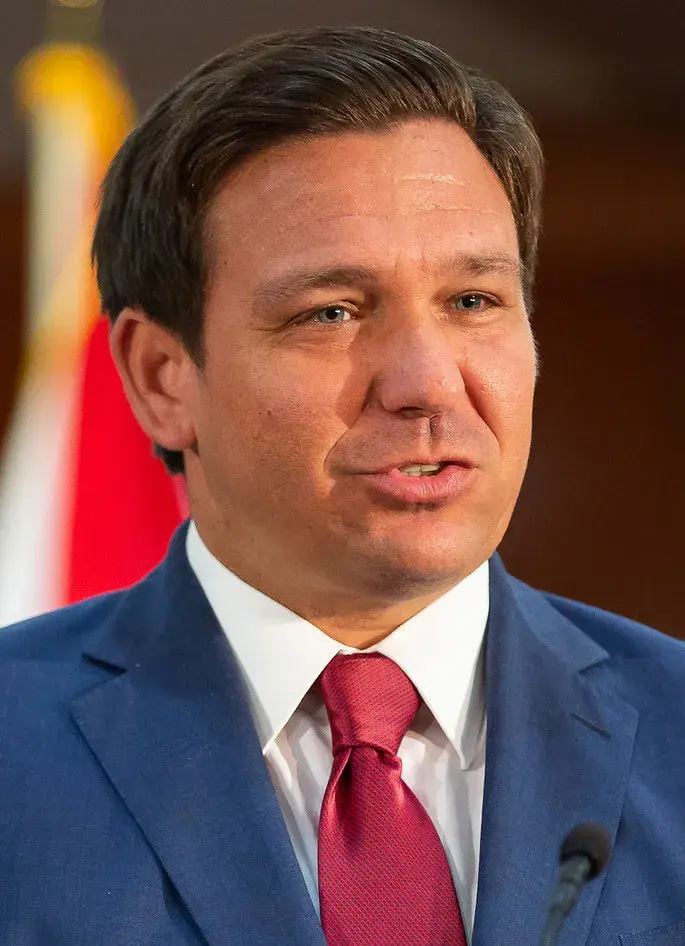
Biography: Ron DeSantis, born September 14, 1978, in Jacksonville, Florida, is the Governor of Florida, serving since 2019. A former U.S. Representative (2013–2018), DeSantis ran for president in 2024 but withdrew before the primaries, endorsing Trump. Known for his conservative policies, including education reform and COVID-19 policies, DeSantis has a strong following among Republicans. His national recognition grew through his opposition to federal mandates and focus on cultural issues. CBS News notes his appeal to conservative voters, positioning him as a potential 2028 frontrunner.
Strengths: Proven executive leadership, national name recognition, and alignment with conservative values.
Challenges: His 2024 campaign’s early exit may raise doubts about his ability to compete nationally.
5. Alexandria Ocasio-Cortez (Democrat)
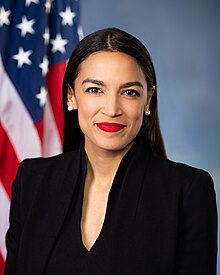
Biography: Alexandria Ocasio-Cortez (AOC), born October 13, 1989, in New York City, is a U.S. Representative from New York since 2019. A leading progressive voice, AOC gained prominence for her advocacy of the Green New Deal, Medicare for All, and wealth taxes. Her social media presence and ability to energize young voters make her a potential 2028 candidate, as noted by Vanity Fair. Despite her polarizing image, AOC’s grassroots support is significant.
Strengths: Strong appeal to young and progressive voters, media savvy, and bold policy proposals.
Challenges: Limited executive experience and polarization among moderate voters.
Other Potential Candidates
Several other figures are being discussed as potential 2028 contenders, including:
- Pete Buttigieg (Democrat): Former U.S. Secretary of Transportation and 2020 presidential candidate, known for his articulate communication and moderate appeal. Ballotpedia
- Vivek Ramaswamy (Republican): Former 2024 presidential candidate and biotech entrepreneur, noted for his alignment with Trump’s policies. OpenSecrets
- Cory Booker (Democrat): U.S. Senator from New Jersey, known for his progressive policies and bipartisan outreach.
- Nikki Haley (Republican): Former U.N. Ambassador and South Carolina Governor, who ran in 2024 and may appeal to moderate Republicans.
Challenges and Opportunities for 2028
The 2028 election will occur in a dynamic political landscape. Republicans will leverage Trump’s legacy, focusing on economic nationalism and cultural conservatism. Democrats will aim to rebuild after their 2024 loss, emphasizing progressive policies and unity. Third-party candidates, like those from the Green Party or Libertarian Party, may also gain traction, as seen with Jill Stein and Chase Oliver in 2024. Wikipedia
Key issues likely to dominate include the economy, immigration, climate change, and social justice. Candidates who can bridge divides while offering a clear vision will have an edge. The role of social media, as seen in posts on X speculating about figures like J.D. Vance, will also shape public perception.
Conclusion
The race for the next U.S. president in 2028 is already generating buzz, with a mix of seasoned politicians and rising stars in contention. Kamala Harris, J.D. Vance, Gavin Newsom, Ron DeSantis, and Alexandria Ocasio-Cortez are among the frontrunners, each bringing unique strengths and challenges. As the political landscape evolves, their ability to connect with voters and address pressing issues will determine their success. For the latest updates on political trends, visit FactsWings or explore Politico for in-depth analysis.

MehediHasan3559 - Tech & AI Researcher
Md. Mehedi Hasan is the founder and editor of FactsWings. Passionate about AI, technology, science, cybersecurity, and fact-based journalism. Dedicated to publishing accurate and trustworthy content for a global audience.
View all posts →Frequently Asked Questions
Are these facts verified?
Yes, every fact is fact-checked from primary sources like NASA, BBC, Nature, and peer-reviewed papers.
Do you use AI to write?
No. All articles are human-written and human fact-checked. We disclose affiliate links per FTC guidelines.