

Holiday Shopping Crisis 2025: Why Christmas Is Becoming Too Expensive for Americans
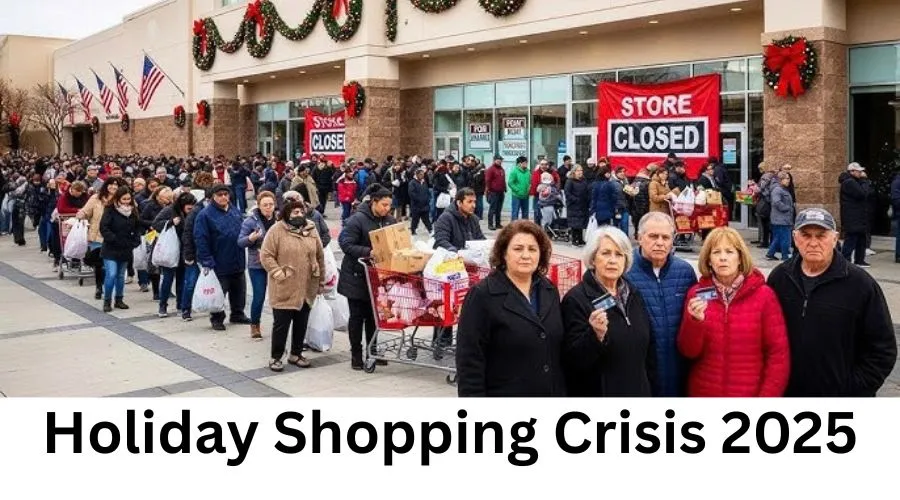
Every December, millions of Americans rush into stores, malls, and online platforms to complete their holiday shopping. But Christmas 2025 feels dramatically different. From rising gift prices to higher grocery bills and travel costs, families across the United States are struggling to maintain the same holiday spirit they once enjoyed.
The big question everyone is asking is:
“Why has Christmas gotten so expensive this year?”
In this article, we will break down the causes behind the Holiday Shopping Crisis 2025, explore how inflation is affecting American families, review the most expensive product categories, and discuss strategies to survive the rising costs.
📌 Why Christmas 2025 Is More Expensive Than Previous Years
1️⃣ Rising Inflation Rates
Inflation has cooled down slightly compared to 2023–24, but many essentials remain extremely expensive. Grocery items like meat, eggs, and dairy have increased by 12–18%, making holiday meals costlier than ever.
2️⃣ Higher Retail Prices
Retailers like Walmart, Target, and Best Buy have increased prices across multiple categories, including electronics, toys, decor, and clothing. The main reason is:
- Higher shipping charges
- Factory cost increases
- Strong holiday demand
3️⃣ Travel Costs Have Skyrocketed
Christmas is the peak travel season in the U.S., and in 2025:
- Domestic airfare is up by 22%
- Hotel prices are up by 19%
- Car rentals remain expensive
Families visiting relatives are facing a much heavier financial burden.
4️⃣ Gift Prices Are at a 10-Year High
Electronics, especially gaming consoles, smart devices, and laptops, are significantly pricier. Even simple holiday gifts like children’s toys have risen by 15–30%.
📌 Which Products Have Become the Most Expensive?
| Category | Price Increase | Reason |
|---|---|---|
| Electronics (Laptops, Gaming) | 20–35% | Chip shortage + high demand |
| Toys | 12–20% | Import costs + holiday rush |
| Winter Clothes | 18% | Brand inflation |
| Travel Tickets | 22% | Peak season fuel costs |
| Holiday Meals | 15% | Grocery inflation |
📌 Holiday Shopping Now Looks Very Different
Americans are changing the way they buy holiday gifts:
- More people are avoiding malls
- Online shopping is at an all-time high
- Gift cards are replacing traditional gifts
- Families are setting strict budgets
But even with budgeting, the spending pressure is intense.
📌 Amazon, Walmart & Target: Are They Really Giving Discounts?
Even though all major retailers claim to offer “huge Christmas sales,” most discounts in 2025 are not as strong as previous years.
Amazon’s Strategy
- Higher base price → small discount → looks big
- Lightning deals expire quickly
- AI-powered pricing adjusts every hour
Walmart’s Strategy
- Big discounts on low-demand products
- Average prices are still higher than 2022–23
Target’s Strategy
- Buy 2, Get 1 free offers
- Holiday bundles with inflated prices
So yes, discounts exist — but only a few are genuine.
For a detailed comparison, you can check retail analysis reports on CNBC
📌 Why Gen Z Says “Christmas Doesn’t Feel the Same Anymore”
A large portion of the younger generation feels disconnected from traditional holiday shopping. TikTok and Instagram are filled with videos complaining about:
- Budget pressure
- Expensive gifts
- Overpriced decor
- Costly holiday travel
“Christmas used to be joy; now it’s just bills.” — A trending Gen Z meme
In 2025, Christmas has emotionally shifted from “festival of giving” to “month of financial stress.”
📌 The Rise of “Alternative Gift Ideas”
To cope with high costs, Americans are choosing affordable gift alternatives:
- DIY gifts
- Experience-based gifts (spa, dinner, day trips)
- Handmade crafts
- Digital gift cards
- Personalized photo albums
Even online creators are promoting “budget Christmas challenges.”
📌 USA Holiday Spending Statistics (2025)
Recent surveys show:
- 65% Americans say Christmas is “too expensive”
- 72% are reducing gift lists
- 58% plan to buy only “essential gifts”
- 49% are skipping holiday travel
- 34% are relying on credit cards
In short: Spending is high, but satisfaction is low.
📌 How Families Can Survive the Holiday Shopping Crisis
1️⃣ Set a Fixed Budget
Assign limits to each gift category — and don’t exceed them.
2️⃣ Compare Prices Before Buying
Use price-comparison extensions or apps.
3️⃣ Avoid Last-Minute Shopping
Prices rise dramatically in the final week before Christmas.
4️⃣ Use Cashback Rewards
Platforms like Rakuten, Honey, or store points can save a lot.
5️⃣ Buy Non-Traditional Gifts
Gifts don’t always need to be expensive — meaningful works better.
📌 Psychological Pressure: Why People Feel Forced to Spend
Social media expectations play a huge role. Instagram, TikTok, and even YouTube show “perfect holidays”— expensive decor, luxury gifts, and high-end parties.
This creates:
- Fear of missing out (FOMO)
- Gift competition
- Financial peer pressure
As a result, people spend more than they can afford, even when prices are high.
📌 Christmas 2025 vs. Christmas 2015 — A Decade Difference
| Category | 2015 | 2025 |
|---|---|---|
| Average Gift Price | $42 | $68 |
| Travel Cost | Lower | Much Higher |
| Holiday Meal | $110 | $210+ |
| Tree & Decorations | $60 | $125+ |
In just ten years, holiday expenses have nearly doubled.
📌 Is Christmas Becoming a Luxury Holiday?
Many analysts argue that Christmas is slowly turning into a “middle-class luxury holiday,” where only financially stable families can celebrate at full scale.
Low-income and single-parent households feel the pressure the most.
📌 Social Media Trend: #CheapChristmasChallenge
This trend encourages:
- Buying one meaningful gift
- Thrifting or DIY holidays
- Zero-waste decorations
- Homemade meals instead of expensive dining
The trend is getting millions of views on TikTok.
Read this related report for updated:
Holiday Season Economic Impact — Facts Wings
📌 Final Conclusion
Christmas 2025 is shaping up to be one of the most expensive holiday seasons in recent U.S. history. With rising inflation, higher travel costs, increased gift prices, and retail “fake discounts,” Americans are struggling to maintain the holiday spirit.
Still, with smart planning and budget-friendly alternatives, families can enjoy the season without falling into financial stress.
In the end, Christmas is not about the price of a gift — it’s about the value of the moment.